Kitchens can be one of the most curious areas of a property, like preparing food, closing and opening cabinets, using electrical equipment and, as you all know, socializing at parties. Below you will find everything you need to combat and control the noise that passes through the walls of your home, whether it is the intrusion of sound from noisy neighbors or your own.
Soundproofing a kitchen can make your family’s life much more enjoyable, especially if you live in a small apartment where everyone can hear what is going on inside the kitchen. Some noises like those coming from the sink or even a range hood can be quite frustrating, but thankfully it can be reduced.
How to Soundproof Kitchen Door
If you want to keep the sounds made in the kitchen inside the kitchen, door soundproofing is your best option. If the sound cannot come out of the door, it means that the noise generated in the kitchen will not be able to reach the rest of the house. When soundproofing anything, you need to focus on sealing every gap or crack you can find where the sound can come in or come out.
Apply a Weatherstrip
One of the best, if not the best ways to soundproof a door is to apply weather stripping. It’s a great choice for three reasons; It is expensive, easy to apply because it has an adhesive side and if applied properly, will create an airtight seal when the door is closed. This means having a very difficult time with words, as well as air and smells. It should be glued to the frame, more precisely where the door will meet the frame as soon as it closes.
Take measurements and cut the weatherstripping to the required length. Then stick it in the frame. This should be done around the whole frame. Remember that you need to seal the bottom as much as possible. This is weatherstripping which I recommend, there is no need to get anything more expensive because it will work just fine. You may be wondering how to deal with the space left on the door and floor because you can’t use the weather strip.
Install a Door Sweep
The next step is to install a door sweep, which will help seal the gap between the door and the floor. It won’t create a tough seal like weather scattering, but you can really do it here.
This is the first time to get a door sweep. Then cut your door to the correct size making sure it covers your entire door. Finally, install the door sweep. There is no need to use any tools especially when it comes to the adhesive side. If you have any cracks between the door frame and the wall, I recommend purchasing acoustic lengths.
Apply Acoustic Caulk
It is extremely easy to do; It will get you this acoustic sealant quickly and very efficiently and with the help of a camouflage gun you can start the installation.
Where to use acoustic sink? It is designed to fill small gaps of 1/8 “to ½” and should be applied between the frame and the door. It is designed for indoor use only; It should not be used outside! Note: Let it dry completely for about 48 hours after application.
Install MLV on the door
Bulk loading vinyl is a great soundproofing material that is used for a variety of purposes from soundproof walls and doors to cars. Cut out the vinyl and install it on the door, especially if it covers all, to reduce further unwanted noise! To attach it to the door, I suggest you use this high quality velcro, so make sure the MLV is heavy enough to adhere to the velcro as much as possible with the door.
How to Soundproof Kitchen Windows
When soundproofing windows, such as doors, you must first make sure that all cracks and gaps are completely sealed. After that, you can change the glass, create double or even triple glazing and install the screen etc.
Weatherstrip the windows
Here you can use the same weather stripping recommended for doors. All you have to do is cut to the proper size and glue it to the frame or window to make sure that once you close the window there is no single open space left.
Use acoustic Caulk
The same literal latch that I have recommended for doors can be used here. It should be used primarily to seal any gaps or cracks formed between the frame and the walls. This is seen to be common with older windows.
Acoustic Curtains
Acoustic screens are one of my top choices for window soundproofing. Not only are they very cheap and home decor, but they are also very effective. You can get them in different colors which allows you to use them not only for soundproofing but also for decoration as they are actually quite beautiful.
To be effective, a soundproof screen must be heavy, dense and tightly woven, but arguably, more importantly it must cover the entire window and much more. They have to go a few inches from the ceiling to the floor and the side of the window. If they are wider than the window, it means there will be more folds in the screen which will help it to seal better. My recommendation for the best soundproof screen is the Nikitown soundproof screen. They are very affordable, easy to install, and work quite well.
How to Soundproof Kitchen Walls
Here it becomes somewhat complicated mainly because hanging acoustic foam / panels / blankets can be dangerous as they present a risk of fire. Your options here are the following two;
Add an Extra layer of Drywall
While this can be a lot more work and expensive than the other steps in this guide, it really works. The term refers to the vibrations produced by reconstitution that they will be able to pass through the continuous wall. Installing additional layers of drywall will help maintain the sound bay. Be sure to use only acoustic calcare between the drywall sheets to get a good seal. You can then add a layer of sound absorbing paint and you’re done.
Use Soundproofing Paint
Sound-absorbing paints can also reduce the amount of sound you get out of the house. The good thing is, all you have to do is go to your local hardware store and buy something. . It can also be used to make the door more soundproof. Be sure to apply as many quotes as possible to get the best results.
How to Soundproof Kitchen Sink
Soundproofing the kitchen sink may seem unnecessary to some of you, but it is only when you have had a good quality sink before. The more affordable stainless steel dive sounds are not as soundproof as the exact opposite. Fortunately, there are several ways that can help a lot in this area;
Use a sound deadening mat
Sound Deadening Mats are commonly used to dampen street noise in cars and they will work wonders in your kitchen sink. The ones I would recommend are Nike’s Sound Deadening Mats, as they offer great quality at a lower price than many other brands. If your sink already has a soundproofing preinstall, you should consider removing it or installing a new mat in it.
Install Mass Loaded Vinyl
Bulk loading vinyl is one of the best soundproofing materials available today, and MLV should be one of your go-to options if you need something soundproofing. MLV usually does not come with an adhesive backing, which means you will need a strong adhesive adhesive like 3M Super 77 spray adhesive.
Use a Rubberized Undercoating
If you are looking for a quick way to cut down on the sound of something sinking in the kitchen, you should consider investing in a rubberized underlayment spray. If it is sprayed at the bottom of the sink, it will help reduce unwanted noise by absorbing it. Of course, this method may not be as effective as the other two, but it is certainly easier and more affordable.
How to Soundproof a Garage Door
The most problematic part when exploring how to soundproof a garage is the soundproofing garage door. Since the door is the only movable part of your garage (excluding windows), the best solution for you is to use a sheet or shovel blanket to prevent the sound of going through the door. As a moving part and usually a very large area I like to use acoustic blankets or sheets to cover the whole interior of the garage door. You need to cut them to the correct size, but also make sure that they do not prevent the garage door from opening and closing during normal daily use. A cheaper alternative to acoustic blankets is the moving blanket used when moving to a new home. They won’t work as well because they weren’t designed for sound absorption. This will save you money, but make sure you buy as thick as possible and double or triple them. Noise blankets are mainly made of fiberglass or similar materials that are characterized by sound absorption. These are commonly used for garage doors or other moving parts.
Noico 80 mil 36 sqft car Sound deadening mat

- Very sticky self-adhesive 80 mil automotive butyl and foil sound...
- Now the material is 1,5 times thicker that will get you 1,5 times more...
- Automotive self-adhesive insulation consists of butyl. Noico Pro sound...
Sure-Max 8 Moving & Packing Blankets
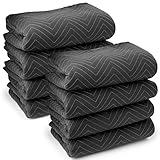
- Professional-grade: Oversized, 80" x 72" premium moving pads that...
- Superior cushioning: Constructed with thick, padded virgin cotton...
- Durable: Weighing approximately 5-1/4 pounds apiece, these heavy-duty...
The best way to soundproof your garage door is to:
1. Clad the door interior with moving blankets
Moving blankets are dense blankets designed to protect furniture and property from transit damage. These are lightweight (compared to other soundproofing materials) but thick enough to kill the sound in your garage. You can use short screws or zippers to secure the cover to the inside of your door. Cover the entire garage door for the most effective results. Keeping your door ing with a movable cover will help reduce noise inside your garage, reduce echoes and improve sound (easier if you plan to use your garage as a recording studio or something like that). If you are willing to spend some more money, you can buy acoustic blankets specially designed to reduce echoes and damp sounds.
2. Fit a garage door side seal around the frame
Garage doors are not known as airtight and if they let in air they will sound (and outside) let your garage door sealed so it is an important step towards complete soundproofing of your garage. To do this, get a garage door seal for the side of your garage door and sert it on the frame. When complete, the rubber should be touched when the garage door closes, sealing the door and allowing it to close more silently.
3. Install an garage door bottom seal
If closed, the sound can easily escape if the floor under your garage door is not fully lined with slots. You can solve this problem by installing lower garage door seals. These are the rubber lips that are proud of the ground, when your garage door closes they meet the rubber to form a seal. One ultimate soundproofing factor to consider with a garage door is that if you use an automatic garage door opener it can make a lot of noise and will probably annoy someone sleeping in the upstairs garage – not ideal if you need it.If this is true for you, it is a good idea to invest in a cool garage door opener designed specifically to keep any noise to a minimum.
How to Soundproof Garage Windows
Windows can make more noise than walls because it is not as dense or insulating to the same degree. But in most homes you want windows for a variety of reasons, from natural light to fresh air. You do not need to have visible windows in your garage. In fact, bands are known to perform in less light conditions.
So the first step when you learn how to soundproof a garage on a budget is to close the windows. We suggest you place the bricks in the window frame. It still won’t provide enough 100% sealing to “split the glass”. Another item you can use for the treatment of windows is acoustic cover or soundproof screen. In fact, you can supplement their acceptance or use them independently. You can temporarily pin the acoustic blankets over the window space or permanently place the soundproof screen. To ensure maximum coverage of your garage window soundproofing you can always cut a few inches on either side of the window space then you just nail them to cover the window space. Known as sound absorbing sheets, shovel blankets are designed for sound absorbing up to 80% of the sound released from a room – which can be ideal if you play loud drums in your garage for band practice!
Acoustic blankets or curtains absorb sound, which means they will reduce the echoes coming back into the house so you can get less distortion while reading. A hard window will reflect the sound in the room, making it less distorted. Window covering uses an acoustic blanket. Will absorb sound, reduce noise coming from the house and absorb the amount of echo.
How to Soundproof Garage Ceiling
Sound-absorbing foam panels are cut into tiles with a pyramid or wedge shape that will greatly reduce noise because the sound does not bounce over flat surfaces like walls or ceilings. They will reduce resonance and standing waves through sound absorption. These foam boards are found in professional music studios, so you can also use them for your garage. Try using panels on acoustic sheets with respect to insulated ceilings. They are kind of cheap and will do the job just fine.
The houses above the garage are the first to be affected by its noise. That’s why it’s important to start garage ceiling work. This is especially true if you have blocked the sound from the garage to other areas of your home. You can use different techniques to make the garage ceiling soundproof. To be effective, you need to combine multiple strategies. Here are some common techniques that will remove the noise from your basement ceiling.
Adding mass to the roof
Adding mass to your ceiling is an easy task. The purpose of adding mass is to thicken the surface of the ceiling. Dense surfaces do not vibrate. As a result, words do not easily pass through them. Adding mass includes pinning extra wood or installing more concrete material on the roof.
Mechanical insulation
Mechanical isolation is the technique of introducing air between two objects that transmit sound. The strategy involves using double stud walls, elastic channels, sound clips and hanging studs.
A good way to do this is to use drop ceilings. Suspended ceilings are also called suspended ceilings. The technique doesn’t make your garage look attractive but it works well in removing the word.
Start by filling in the holes in the ceiling. Protect acoustic tiles in a suspended manner. Acoustic tiles are a porous material that dies by trapping sound in its voids. After fixing the tiles, insulate them with a fiberglass backing.
Absorption Technique
The absorption technique uses soft materials that absorb sound. The absorbing material converts the sound into thermal energy. Ideally, you should remove, discard, destroy, or remove any noise from your garage. Therefore, in your basement, the absorption technique works perfectly. It may not be 100% soundproof, but it will remove most of the noise. Use Sound Deadening Blanket or Foam to absorb all the noise in your garage. This technique improves the quality of the interior sound in your garage.
Sound Dampening Technique
To make your garage ceiling soundproof, follow these three steps:
Insulate the ceiling cavity – Remove the plasterboard from the ceiling and fill your ceiling joists with fire insulation such as rockwall.
Install resilient channels – Elastic channels are long and metallic, designed to double your ceiling. They make maximum contact with ceiling joists that are padded with rubber to reduce noise transfer through the ceiling. Secure these to your ceiling josts.
Replace plasterboard with soundproof ceiling panels – feel free to avoid this step if your budget is tight but if you want maximum soundproofing it is worthwhile to transfer more sound to reduce investment in soundproof ceiling panels. Fix these in your elastic channels and you’re done!
How to Soundproof Garage Walls
The easiest and simplest way is to install soundproof panels on the walls of your garage. Soundproof wall panels range in size from 25mm to 40mm and usually have a rubber core to reduce vibration. These come in a size of about 1m x 1m. Buy enough to cover your wall and screw them in place. Another very effective and cost effective way to soundproof your walls is to use soundproof curtains or blankets. Use hooks to hang from your ceiling against the wall so they fall to the floor.
Reduces noise and reduces noise and helps protect your garage by letting sound vibrations dampen before hitting the wall. If you find this method ineffective, try doubling or even triple the fabric to make it thicker. Be aware that if you have an exhaust fan in your garage, the sounds can easily escape through them through your wall. We suggest you do two things to reduce it. Get a cool garage exhaust fan to reduce fan noise in the garage. The technique to reduce noise annoyance is to strategically use a long outlet pipe for positioning.
Garage walls are usually thin, you probably need some sort of insulation for them. Before doing anything else to insulate the walls, you should probably try with this shovel blanket or sheet. Since they can absorb more than 50% of the noise, they can only do the job. Thanks to the level of sound-killing material, these blankets will keep sound inside the garage and help keep neighbors away from your door. Also, by using hooks and rods to hang them from your ceiling on the floor, you can not only prevent the sound from passing by, but you can add personal touch as many models of blankets and sheets are available in these models. Different. Acoustic blankets are an affordable solution to your problems.
How to Soundproof Garage Floors
Covering your entire floor with rubber mats reduces the commercial noise. Stop more slowly as the motion is absorbed. This reduces the frequency of noise and the volume of sound. We recommend that you get a few extra thick mats in the area where you want the weight to move steadily (such as under one end of a dead lift bar). If you do not plan to use your garage as a gym mat, a rubber mat can be an effective way of soundproofing, but it is not necessary.
An inexpensive method that will work after you plan to use your garage as a music or group practice room is an old carpet and old carpet underlay. If you have enough reserves, double it for extra soundproofing. All you need is a simple technique to reduce the sound reflection and bounce it from your floor to the wall and ceiling.
How to Build a Soundproof Room inside my Garage
The one-room method is the most effective soundproofing solution for any type of home. This is an alternative to the soundproofing method for the walls and ceilings mentioned above. This method creates a secondary wall and ceiling in your room creating an extra cavity that traps sound. To build a house inside a room in your garage, you will need a frame for your new wall and some wood to create plenty of drywall coverings (we recommend partitions if it is within your budget) (soundproof dryer).
Create a semi-wooden frame that covers the entire surface of the wall and also adjusts the secondary ceiling joists. Before nailing the drywall, you can fill in the gaps between the joists with foam insulation for extra soundproofing. Then nail the drywall to make sure the whole frame is hidden and make your house look like a normal room again (instead of a construction site). Then decorate and finish your work.
Each level you add to your garage will dramatically increase soundproofing. One of the best solutions for garage noise, although it requires a bit more effort, is the multiplication of the walls. All you need for this is wooden pallets and drywall. Drywall is gypsum board made from calcium sulfate dehydrate (gypsum), commonly used in construction or interior walls and ceilings.
To this end, the drywall will effectively capture the high frequency sound and prevent it from escaping from your garage. What you are doing here is basically building a house inside your garage is more layers of drywall are better. Also, you can add fiberglass. As you already know, fiberglass is one of the best levels of sound protection. It is commonly used as a heat insulator. You should definitely consider trying this method as one of the cheapest solutions considering the quality and price.
Add Resilient Channels to Garage
One way to ensure that no noise is heard in your garage is to prevent sound waves from hitting the wooden studs. You can achieve this by adding elastic channels. These only support the wooden frame of your house to keep it strong. Most of the time, for example, if your garage is finished and has a dry-wall, the waves will go straight through and then hit the support of the wooden frame. One of the best ways to avoid this problem is to consider the multiple walls described above or, if this is not possible, elastic channels. The elastic profiles are simply metal beams parallel to the garage floor. They work well in spring loads and holding rock plates and wood foam together.
Elastic channels are an alternative to the previous step. If you want to keep the word from throwing wooden studs in your garage, you should probably add a solution designed with this ingenuity. As such, the elastic channel is a thin channel made of metal that will greatly enhance the sound insulation of walls, ceilings, plasterboard and drywall
Frequently Asked Questions
Why should I soundproof my garage?
Soundproofing your garage can provide a quieter and more comfortable space, especially if you use it for activities like music practice, home gym workouts, or as a workshop. It can also prevent noise disturbances for neighbors.
What are the common sources of noise in a garage?
Common sources include power tools, machinery, music instruments, vehicles, and general echo within the space.
How can I identify areas in my garage that need soundproofing?
Conduct a noise audit. Identify gaps, cracks, or thin walls that allow sound to escape. Also, consider the materials and surfaces within the garage that may reflect or absorb sound.
What are some basic soundproofing techniques for a garage?
Use weather stripping on doors and windows, add rugs or carpets, and seal gaps with acoustic caulk. These measures help minimize sound leakage.
What materials are effective for soundproofing a garage?
Common materials include acoustic foam panels, mass-loaded vinyl, fiberglass insulation, and heavy curtains. These materials absorb or block sound waves.
There are other things you may not have considered, like cutting channels for power lines and air conditioning ducts. There are spaces around these pipes, spaces around your windows, door frames, air conditioning vents, etc. You want to identify these spots and fill them with foam stamps. You don’t have to worry too much about the quality of the foam being used, but to make sure no sound gets in or out, you might consider filling any additional spaces you can with insulation before you go. Because if there’s “acoustic foam” in there, everything sucks.
Why Soundproof Windows?
Windows are one of the main sources of natural light inside the house. In other words, you can say a window is the heart of a room. For someone who likes natural light in his home, having windows is a must to ensure his comfort.
If you see in the wall, the window part is the thinnest one. So obviously this part is most likely to send out the noise of the inner environment and vice versa. So such noises can surely disturb the people of the house if the window is not soundproof.
When you figure out the source of the noise, a particular window can be the answer to it. After finding out the exposure of your window to create a noisy environment, you should start working on soundproofing it.
After doing this job you can expect to have a calm environment inside your house.
How to Soundproof a Window of Your House
There are different ways of soundproofing windows. You can choose a way that seems appropriate according to your circumstances. Here I will try to show you the ways that would cost you little or no money. So, try to choose the best way that is going to serve your purpose well.
Not having any gap around the window
When you try to look closely you might find some gaps around the window. Especially to the places where there is a connection with the wall.
The sound may come from such gaps. It may create a significant disturbance in the inner environment of your house. There are so many ways of getting rid of such gaps that you can surely consider. You can use Acoustic Caulk or weather stripping tape to seal the gap.
You can pick the material that you think matches your window and the wall.
Best Window Sealants
Sikaflex Self-Leveling Sealant

- EASY VERSATILE APPLICATION — Apply self-leveling concrete sealant to...
- QUICK CURING — Once applied, compound tempers to a tack-free...
- WATERPROOF AND IMMERSIBLE — After curing, this sealant prevents...
1/4″ Window Kerf Bulb Weatherstrip Mount Slot Seal
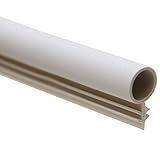
- Contractors OEM+ Quality - Slip Coat Finish
Trim-Lok EPDM Dense Rubber Window Locking Gasket
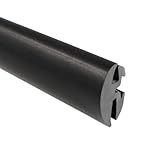
- EPDM DENSE RUBBER WINDOW GASKET: Our 2-piece locking window seals are...
- SPECIFICATIONS AND DIMENSIONS: This rubber gasket seal for automotive...
- WEATHER-RESISTANT: This weatherstripping for windows provides...
Blocking the entire window
You can entirely block double pane of yopur window. This will let you block all those unwanted sounds from the outside.
But there are certain things that you must be sure of before blocking the window completely.
This is a very easy process to do. Yet, once you block your window there will be little or no light that will get into your room. Are you ready to compromise with that?
If not, then this is going to be a hard deal for you.
So to let the light enter into your house and blocking the sound at the same time you have to go for a different approach. There are quite a few DIY ways. The main idea is to block the gap of the window. You can use insulation panels to block the window. This is pretty easy to do and cheap. This is an effective way of blocking the noise. Though not so much appealing to look at. But you can consider having a fiberglass soundproof blanket to cover your window to get better soundproofing. For this, you might need to spend a little bit more money.
WINDOW THERMAL INSULATION PANELS DOUBLE THICKNESS

- Stops 96% of Radiant Heat Loss/Gain. Up to 30% of Heat Loss and Gain...
- ‘New’ double thickness Thermal Reflective Foil Panels helps...
- Keeps Heat in during the 'Winter' months and helps keep Heat out in...
Singer Safety Double Faced Quilted Fiberglass Panel

- Panels have bound hems, double nickel plated brass grommets 12" O.C....
- Double faced material in nominal 2" thickness, for use as an absorber,...
- Measures 4' width by 8' height by 2" thickness
Multipurpose High Density Insulation Kit

Choose Soundproof Curtain
In all the attempts of soundproofing a window, you can think about having soundproofing curtains. Having such curtains doesn’t ensure a 100% effective solution but it certainly works by lessening it.
On the other hand, you will certainly need curtains for your windows. So, why not buy the ones that certainly try to lessen the noise from the outside?
These soundproof curtains make your home even more appealing and it hides away the inside home environment from the outside. Thus it ensures the privacy of the house.
Moreover, it has a huge role in lessening the echo of a certain room. The materials of the curtain soak up the sound of the room and thus it helps to make the room even quieter.
It also hides away the foam that you might have used in your window. Try to maintain the appropriate length of your curtains according to the window. Doing so, you can expect to get an even better result.
Sideli Solid Rod Pocket Matt Heavy Velvet Curtain Drape Panel Blackout
No products found.
NICETOWN 3 Pass Microfiber Noise Reducing Thermal Insulated Solid Ring Top Blackout Window Curtains/Drapes

- READY MADE: Set includes 2 BLACKOUT PANELS of 42" wide x 84" length...
- SERVE WELL: Curtains impede 85%-99% light and UV rays(Dark color...
- ENERGY SMART: Triple weave blackout fabric balances room temperature...
Moondream Sound Insulation Curtain, 3-in-1 Noise-Blackout-Thermal Insulation

- PATENTED 3-IN-1 SOLUTION | Thanks to its patented technology (U.S....
- NOISE REDUCTION | The unique design of the Moondream 3-in-1...
- THERMAL INSULATION | Thanks to its thermal insulation properties, the...
Rearrange the Furniture
We all know that sounds travel through the air. It keeps moving this way until it gets a surface. In this stage, either that sound passes through the surface or bounce off. In the process, each time it gets a block like this, it loses some of its energy and eventually dies.
Lessen the sound that comes from the outside from your window is to have more of such obstacles. To do so, you can add more furniture to your home or rearrange the existing ones. You can add a surface that is soft and uneven. Such a surface can absorb unwanted sound.
These natural methods will not cost you anything. But it can to some extent solve the noise problem that you are facing from your window.
So, why shouldn’t you give it a try?
Pick Thick Material Blinds or Shades
This is just another way of soundproofing your window. Though it will not soundproof the atmosphere fully, you can try it out to lessen the sound.
Choosing this type of option will be a very pleasant experience for you. It is not much pricey and the installation process is pretty quick and easy. So, you won’t be facing any hassles for this.
It will surprisingly reduce the noise from the outside atmosphere. It will work best when you install it to your window along with another method of blocking the noise from the outside atmosphere.
Moreover, after installing the Windows shades, you get the opportunity to control the light of the home. Having such shades to your home will ensure the privacy and peace inside your home.
While choosing the material blinds or shades you have to make sure they are enough thick. Normally they are thicker comparing to the other regular shades. Also try to see, if they have the unique honeycomb combination. Having such a feature it absorbs even more noise and reduces the wave of the sound.
Windowsandgarden Custom Cordless Single Cell Shades

- Select you size to the inch in the drop down and then you can...
- For an INSIDE THE WINDOW FRAME MOUNT, fill out the customization form...
- For an OUTSIDE the window frame mount we take no deductions- provide...
Bali Blinds 98-5400-08 Light Filtering Cellular Cordless
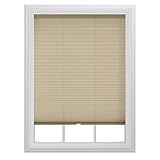
- Soft, wrinkle-resistant fabric in unique honeycomb construction offers...
- Cordless lift simplifies window controls and eliminates dangling cord...
- Can be mounted inside or outside the window opening, and all brackets,...
Bali Blinds Cordless Light Filtering Cellular Shade

- Cordless lift system is perfect for homes with children or pets, and...
- Cordless Cellular shades help insulate windows while softly filtering...
- Blind has 1/2 inch deduction from stated width and can be mounted...
Making A Window Plug
If you are a DIY lover then this one is for you!
This is a complete DIY project that can be done by you entirely. You can build a soundproof window plug for the windows of your house pretty easily, a low budget and temporary solution. Be wary that will not let you mess with the window for a while. So before going for a permanent solution you can surely try this out. This affordable way of blocking sound from your window works well.
To make a window plug all you need to plug them in an opening of a window when you need to reduce or block the sound from the outside. After meeting your purpose you can decide to simply remove them. This is a very worthy method with almost no cost.
Through this method, you can control the noise that comes through your window inside your house.
This project is a DIY project so all you need is you as manpower. It is a great window soundproof solution without making you spend a good amount of money.
Get Soundproofing Kit
Well, this is an easy approach to solve the noise problem coming from your window.
You can just simply buy the soundproofing window kit that is commonly available around the market. This kit is specially designed to serve this particular purpose. It comes with a compact package. That means all the necessary parts needed are readily available with it.
Through using all these tools you can build your version of the soundproof window for your home. To do so, all you need is just a screwdriver.
There are some aspects that you must keep in mind while using this soundproofing window kit. Like,
It takes significant time and effort from you to install.
You get to keep the light coming to your home through this.
You can remove it for cleaning purposes.
It is a bit costly comparatively.
It is more prudent to use it as an alternative option.
So, it is quite clear that the soundproofing kit comes with some pros and cons. So, it is you who will decide if it will serve your purpose or not.
No products found.
No products found.
Add an Extra Layer of Glass
Okay, this is just another DIY project that you can try for sure. But, this is not going to be an easy one.
Theoretically, the process is really simple but doing it takes some real effort. To minimize the noise that comes from the outside of your house you can choose to attach a piece of acrylic or glass. You can do it over the inside of your window.
This method is an effective one in terms of all DIY projects of soundproofing all the windows of your house.
While doing so, you will have to make sure that the new layer of glass hugs the window glass very tightly. To achieve such a state, you might have to install a metal frame on your window. Then you will have to use some sort of special magnets this will hold the glass sheet with the frame.
Having Soundproof Blanket for noise cancelling
Another thing that you can try is using the soundproof blanket. Such a blanket works just fine while reducing the outside noise. This works a lot like the curtains around the windows. And, just like the window, it cannot stop the noise leakage completely.
Are you anyhow wondering, how can a blanket soundproof a window from outside noise?
Let me explain that to you.
Blankets are made of materials that are so dense that while moving to another house people wrap materials with it for protection. It saves things from damages on the road.
This dense material of a blanket works as an excellent tool to lessen sound. These materials absorb the sound very well. That is why people consider it as a soundproofing system.
So you can pick the best blanket to serve your purpose. Then you can hang this blanket over the window that invites the noise. For doing so, you might need a curtain rod above the window or you can take the support of hooks.
You can choose the installation process that goes better with your windows. Spending a little bit more money on the blanket will make sure that you get the best result in terms of soundproofing.
After the installation process is complete you will be able to differentiate the outcome.
Understanding the Importance of Soundproofing
Sound proofing your home office is essential for creating an environment that fosters productivity and concentration. In today’s remote work culture, where distractions are abundant, having a space that minimizes unwanted noise can significantly enhance your performance and efficiency. Whether it’s the hum of traffic noise, the chatter of family members, or the occasional bark from a pet, these sounds can disrupt your workflow and hinder your ability to focus.
A well-soundproofed office not only helps block noise but also contributes to a professional atmosphere, especially during video conferences and important phone calls. By reducing noise levels, you create a quiet workspace that allows you to engage in deep work without interruptions. Moreover, soundproofing can improve the acoustics of your home office, making it an ideal space for recording studios or any other tasks that require clear sound transmission.
Investing in soundproofing measures, such as installing acoustic panels or using noise-canceling headphones, can help you absorb sound and reduce echo, creating a more pleasant and productive work environment. Additionally, a soundproof home office can aid in maintaining your mental health by providing a sanctuary from the hustle and bustle of daily life, allowing you to relax and recharge.
Identifying Noise Sources
Identifying noise sources in your home office is crucial for effective soundproofing. Common culprits include traffic from a busy street, noisy neighbors, or family members. Even appliances like washing machines in adjacent rooms can produce distracting noises.
Consider the type of noise you’re dealing with. Airborne noise, like voices or music, and structure-borne noise, such as footsteps, require different approaches. Sound waves can travel through walls, floors, and ceilings, adding to background noise.
The layout of your office also impacts noise levels. Thin walls, hollow core doors, and hard flooring can increase sound transmission. By evaluating these features, you can determine where additional soundproofing is needed.
Preparing Your Home Office for Noise Reduction
When it comes to preparing your home office for effective noise reduction, there are several steps you can take to create an optimal working environment:
Evaluate Your Space
Begin by assessing the current noise levels and identifying any potential weak spots where sound may be entering or escaping. This includes examining windows, doors, walls, and even ceilings for any gaps or vulnerabilities.
Create a Dedicated Workspace
Designate a specific area in your home as your office space. Ensure it has a door that closes securely to help block noise from other areas of your house. A solid core door is ideal for soundproofing as it helps block sound more effectively than a hollow core door.
Seal Air Leaks
Use caulk or weatherstripping to seal any air leaks around windows and doors. This not only helps with temperature regulation but also prevents noise from seeping in or out.
Install Window Inserts
Consider adding window inserts to enhance the soundproofing capabilities of your windows. These inserts can significantly reduce the amount of outside noise entering your home office, particularly if you live near a busy street.
Use Soundproofing Materials
Incorporate soundproofing materials such as acoustic panels, soundproof curtains, and soft wall hangings to absorb sound and reduce echo. These materials help improve the overall acoustics of your office, making it easier to focus and communicate during phone calls or video conferences.
Furniture and Decor
Arrange furniture strategically to help absorb sound waves. Plush furniture, thick rugs, and soft materials can all contribute to reducing noise levels. Additionally, consider decorating with items that double as sound absorbers, such as canvas art or fabric-wrapped panels.
DIY Soundproofing Solutions with Acoustic Panels
Creating a soundproof home office doesn’t have to be complicated or expensive. With some DIY soundproofing solutions, you can effectively reduce unwanted sounds and create a more peaceful workspace:
Acoustic Panels
Install acoustic panels on walls to absorb sound waves and minimize echoes. These panels are easy to install and come in various designs to complement your office decor.
Soundproof Curtains
Hang soundproof curtains over windows to block outside noise and reduce echo within the room. These curtains are made from thick materials that help absorb sound, making them an excellent addition to any home office.
Soft Wall Hangings
Use thick blankets, tapestries, or fabric-wrapped panels as wall hangings to absorb sound. These items not only enhance the aesthetics of your office but also contribute to noise reduction.
Door Sweeps or Threshold Seals
Install door sweeps or threshold seals at the bottom of your office door to prevent noise from entering through gaps. This simple addition can significantly improve the soundproofing of your office by blocking outside distractions and noise generated within the home.
Rugs and Carpets
Lay down thick rugs or carpets to absorb sound from footsteps and reduce noise transmission through the floor. Choose materials with high sound absorption properties for the best results.
Bookcases and Shelving
Strategically place bookcases or shelving units against walls to act as sound barriers. Filled with books or decorative items, they can help block sound from entering or leaving the room.
DIY Window Inserts
Create your own window inserts using materials like acrylic sheets or foam. These inserts can be placed over windows to enhance their soundproofing capabilities and reduce noise from outside.
Effective Soundproofing Products
When designing a soundproof home office, selecting the right products is crucial to achieving optimal noise reduction and sound absorption. Here are some highly effective soundproofing products to consider:
Acoustic Foam Panels
These panels are designed to absorb sound waves and reduce echo, making them ideal for improving acoustics in your office space. They come in various shapes and sizes, allowing you to customize your setup according to your needs.
Soundproof Curtains
Made from dense, heavy materials, these curtains help block noise from outside sources while also reducing echo within the room. They are a versatile and stylish option for any home office.
Door Seals and Sweeps
Installing door seals and sweeps is an effective way to block noise from entering through gaps around doors. These products are easy to install and can make a significant difference in reducing unwanted sounds.
Solid Core Doors
Replacing a hollow core door with a solid core door can dramatically improve soundproofing by blocking sound transmission. Solid doors are more effective at keeping noise out and enhancing the overall sound quality within your office.
Window Inserts
These are additional panes of glass or acrylic that fit snugly into your existing window frames, providing an extra layer of soundproofing. They are particularly useful in reducing traffic noise or other outdoor disturbances.
Sound Absorbing Materials
Consider using materials like fabric-wrapped panels or thick carpets to further enhance sound absorption. These materials can be strategically placed around the office to minimize noise levels.
Soundproofing Techniques for a Quiet Home Office
Windows and Doors
Effective soundproofing of windows and doors is crucial in minimizing noise transmission in your home office.
Windows
Consider replacing old windows with newer double- or triple-pane units to enhance noise reduction. These types of windows are designed to provide better insulation against sound waves, helping to keep unwanted noise at bay. Additionally, applying window inserts can further improve soundproofing by adding an extra layer of protection against outdoor noise.
Window Treatments
Hang thick draperies or install interior window shutters to block even more sound. These treatments not only add aesthetic value to your office but also serve as an effective barrier against noise. Choose materials that are dense and heavy for optimal sound absorption.
Doors
Use a door sweep or threshold seal to block noise from entering under the door. These simple additions can significantly enhance the soundproofing capabilities of your office door by sealing gaps that allow sound to pass through. For an even more effective solution, consider installing a solid core door. Unlike hollow core doors, solid core doors are constructed to block sound and improve sound quality within your office space.
Walls and Ceilings
When soundproofing your home office, focus on walls and ceilings to reduce noise distractions. Bare walls can create echoes, so install acoustic panels or sound-absorbing materials to minimize sound reflection. These panels, available in various designs, not only enhance acoustics but also add a professional look to your office.
Additionally, use soft wall hangings like canvas paintings or tapestries to absorb sound waves, combining functionality with aesthetics. For ceilings, consider a drop ceiling or mass-loaded vinyl to block sound from above, especially if you’re in a shared living space. These measures help create a quieter, more productive work environment.
Floors and Furniture
Floors and furniture are key in soundproofing your home office. Hard surfaces like hardwood, laminate, or concrete floors can amplify sound, creating echoes. To counteract this, add area rugs or sound-deadening mats to absorb sound waves. Thick rugs are particularly effective in reducing noise and add comfort to your workspace.
For furniture, opt for upholstered items like chairs and sofas, which help absorb sound. Soft fabrics such as polyester, linen, or cotton can reduce echo, making your office quieter. Additionally, using sound-absorbing materials like acoustic foam on furniture can further decrease noise levels, enhancing the overall soundproofing of your office.
Advanced Soundproofing Techniques
For those seeking advanced soundproofing, consider using soundproofing blankets or moving blankets to cover walls, ceilings, or floors. These blankets effectively absorb sound waves, especially low-frequency noise, and are a cost-effective solution for enhancing office soundproofing.
Another option is soundproofing sprays or coatings for walls, ceilings, or floors. These products absorb sound waves and reduce echo, but ensure you choose ones designed specifically for soundproofing. They are convenient for treating large areas quickly.
For a truly soundproof home office, use materials like mass-loaded vinyl or acoustic caulk to seal gaps and cracks. This prevents sound transmission, creating a quieter work environment. Mass-loaded vinyl adds density to surfaces, while acoustic caulk seals small gaps.
Lastly, invest in noise-canceling headphones to reduce unwanted noise further, especially useful during video conferences or online meetings. These headphones block out background noise, allowing you to focus without interruptions.
Additional Tips for a Productive Workspace
In addition to soundproofing measures, there are several other strategies you can employ to enhance productivity in your home office. Creating an environment that supports focus and minimizes distractions is key to maintaining high levels of efficiency and performance:
Ergonomic Setup
Ensure your office furniture is arranged ergonomically to promote comfort and reduce strain. An adjustable chair, a desk at the right height, and a monitor positioned at eye level can make a significant difference in your overall well-being and productivity.
Lighting
Optimize your workspace lighting to reduce eye strain and boost mood. Natural light is ideal, but if that’s not possible, consider using daylight-simulating bulbs. Proper lighting can help maintain energy levels and improve focus throughout the day.
Organizational Tools
Implement organizational tools and systems to keep your workspace tidy and clutter-free. Use filing cabinets, shelves, and desk organizers to ensure everything has a place, which can help reduce stress and increase efficiency.
Breaks and Movement
Incorporate regular breaks and physical movement into your work routine. Short breaks can rejuvenate your mind, while stretching or a quick walk can improve circulation and reduce fatigue.
Personalization
Personalize your workspace with items that inspire and motivate you. Whether it’s artwork, plants, or personal mementos, creating a space that reflects your personality can enhance comfort and satisfaction.
Technology
Utilize technology to streamline tasks and improve communication. Productivity apps, project management tools, and efficient hardware can all contribute to a smoother workflow and better time management.
How to soundproof a room from outside and inside sound?
Soundproofing vs. Sound Absorbing
Many people confuse soundproofing with sound-absorbing. However, both are two different terms and should not be confused. These can even be referred to as the two sides of the same coin. Certain products absorb the echo inside one room, and then other products can stop or block the sound. It is essential to understand the difference between soundproofing and sound-absorbing.
Soundproofing is the process of keeping the noise from the external environment from coming inside every time. This can include many hard materials that can completely block noises in easy ways. On the other hand, sound-absorbing is all about reducing the unwanted noises inside your home or within your one room. Sound absorbing is mostly required in restaurants, conference rooms, and other similar places where multiple loud conversations also happen. This may also be necessary if you have loud noises in your living space, such as if someone in your family loves to play drums or gaming.
Methods to Soundproof Outside Noise
The noise that comes from outside mostly enters the room from the windows and the leaking in the walls. For this problem, you want to keep to add some material that can absorb sound before it can reach your ears and act as a barrier against the external noise. Several methods can be applied as a way in room soundproofing from outside noise. Following are five ways on how to soundproof a room from external noise:
1. Seal the Windows using Adhesive Strips
One of the best ways to soundproof your room is using adhesive strips made from rubber or plastic that to seal the gaps around the windows to stop sound from coming from outside into the existing room. This means it is one of the best soundproofing materials. If you also have holes or cracks, and you have to seal them up to help absorb and stop noise coming in. Thick material works amazing in soundproofing a room, and the process of installation can be done in easy ways. All you have to do is peel off the covering of the adhesive and press it against the border of the windows.
There are other things you may not have considered, like cutting channels for power lines and air conditioning ducts. There are spaces around these pipes, spaces around your windows, door frames, air conditioning vents, etc. You want to identify these spots and fill them with foam stamps. You don’t have to worry too much about the quality of the foam being used, but to make sure no sound gets in or out, you might consider filling any additional spaces you can with insulation before you go. Because if there’s “acoustic foam” in there, everything sucks.
Following are the best soundproof adhesive strips we recommend:
Foam Seal Tape Adhesive Foam Strip
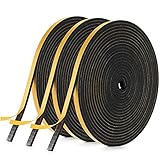
- 【3 Rolls Weather Stripping Door Seal Strip】Includes 3 rolls of 1/4...
- 【Strong Grid Adhesive Foam Tape】Compared with most similar white...
- 【High-Quality Door Weather Stripping】This foam tape is made from...
Open Cell Self-Adhesive Flame-Retardant Seal Strip
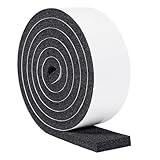
- PREMIUM OPEN CELL FOAM TAPE: Made from NBR+PVC foam material, the ac...
- HIGH RESILIENCE: Excellent resistance to compression and deformation,...
- WIDELY USED: The air conditioning insulation is widely used in various...
Neoprene Foam Rubber Seal Tape

- NEW ADHESIVE CRAFT: No glue spillage, No glue residue, provide you...
- 1 ROLL VALUE PACK: This package includes one roll of 2 inches x 1/8...
- PREMIUM MATERIAL: The closed cell foam seal tape is made from...
2. Make use of Curtains and Liners for Windows
Curtains and liners are generally made from heavy thick material that can easily block loud noise and help soundproof a room. They come in several colors to match with the interiors of a room. They can also lower your bills by keeping it hot or cold, as per requirement. These are simply easy to install and can be opened at any time to check the status outside while stopping sound transmission. Following are some of the best soundproof curtains and best soundproof liners we recommend:
LiBa Mildew Resistant Antimicrobial Curtain Liner

- WATERPROOF SHOWER CURATAIN - Ultra smooth specialty design of LiBa...
- CONVENIENT & DURABLE - LiBa clear shower liner is sturdy with...
- ENVIRONMENTALLY-FRIENDLY- Made with 100% high quality and eco-friendly...
BGment Blackout Curtains

- 100% Polyester Fabric - Solid navy color on both sides, no chemical...
- Room Darkening - Blocks up to 85% of harsh sunlight, with effective...
- Thermal Insulated - Triple-layer fabric helps balance room temperature...
NICETOWN Insulated Grommet Blackout Curtains

- READY MADE: Set includes 2 BLACKOUT CURTAINS PANELS of 42" wide x 63"...
- SERVE WELL: Curtains impede 85%-99% light and UV rays(Dark color...
- ENERGY SMART: Triple weave blackout fabric balances room temperature...
3. Utilize DIY Plugs Across the Windows
Although this soundproofing method needs some DIY initiative and knowledge, it is comparatively quite easy to execute. Just buy some top soundproofing foam or soundproof acoustic panels and cut them into small strips, preferably one or two inches thick. After that, pack up these soundproof strips around the frame of the window in the room. Although they might stay on their own, you might also need some adhesive so that they stay put. Following are some of the best soundproof acoustic panels and best soundproof foam that we recommend:
DEKIRU Upgraded Acoustic Panels

- 【MULTI-COLOR OPTIONS】: These noise cancelling foam penels come...
- 【HIGH DENSITY AND ECO-FRIENDLY】: 215kg/m3 Density. Made of 100%...
- 【IMPROVED ACOUSTIC QUALITY】: These noise-insulation panels are...
New Level 6 Pack- Acoustic Panels
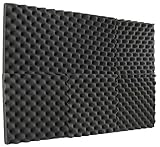
- 2" Convoluted Acoustic Wall Panels provide an ultra clean look and...
- Great for spot treating sound on walls in your studio or office - For...
- 6 Pack covers 6 square feet - Each tile is 1 square foot of 2 inch...
XCEL Large Rubber Foam Non-Slip Furniture Pads

- Restore Peace in Your Home: Designed to minimize the vibrating and...
- Providing Protection: Keep your furniture, flooring, and appliances in...
- Wonderfully Versatile for All Kinds of Projects: These flexible foam...
4. Add some Special Material Inside the WallsTMS Mass Loaded Vinyl
 Trademark Soundproofing Mass Loaded Vinyl 1lb - MLV Soundproofing for Wall Sound Barrier - Sound...
 - High-Efficiency Sound sound barrier quiet wall with a proven 27 STC...
- Mass-loaded vinyl 1 lb soundproofing for walls, floors, and ceilings,...
- Environmentally safe - Non-toxic and odorless, made of Virgin...
ATS Acoustical Cotton Batts
 ATS Acoustics Soft-Touch Sound Absorbing Insulation Recycled Cotton, Denim and Synthetic Textile...
 - Case of 6 Cotton Denim and Synthetic Recycled Fiber Batt Insulation...
- Superior Sound Absorption: Noise Reduction Coefficient (NRC) 1.05 out...
- Comparable to Fiberglass or Mineral Wool Insulation for Thermal and...
MuteX Soundproof Material
 MuteX Soundproof Material (Black, 30 sqft, 5'x6')
 - MuteX is made in the USA and has an STC rating of 32.
- Compact & Lightweight at only 1/4" thick and 1/4 lb/sqft
- 2 Stage Sound Barrier using Polymute Resin + Carbonweave
5. Install Soundproofing Panels on the Wall Fronts

- High-Efficiency Sound sound barrier quiet wall with a proven 27 STC...
- Mass-loaded vinyl 1 lb soundproofing for walls, floors, and ceilings,...
- Environmentally safe - Non-toxic and odorless, made of Virgin...

- Case of 6 Cotton Denim and Synthetic Recycled Fiber Batt Insulation...
- Superior Sound Absorption: Noise Reduction Coefficient (NRC) 1.05 out...
- Comparable to Fiberglass or Mineral Wool Insulation for Thermal and...
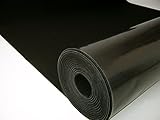
- MuteX is made in the USA and has an STC rating of 32.
- Compact & Lightweight at only 1/4" thick and 1/4 lb/sqft
- 2 Stage Sound Barrier using Polymute Resin + Carbonweave
It is easy to install soundproof acoustic panels, and they are also useful in absorb sound. This method could work well if you are looking into soundproofing a room from external noise from leaking inside. However, one should note that this method might not be as effective as installing a material. Soundproofing panels are affordable, easy to install, and can be put up in a matter of minutes. Here are the best soundproof acoustic panels we recommend:
Foamily 12 Pack Acoustic Panels

- This Product Is Best For When Absolute Sound Deadening Is Not...
- Each Tile Is 2 Wedges - See 4Th Picture
- Use: Perfect For Use On Walls, Ceilings, Doors, Windows Etc
No products found.
No products found.
No products found.
No products found.
6. Insulate Walls and Ceilings
If want to keep your room sound free, reducing outside noise can be possible with the installation of insulation products. Neoprene rubber, ceiling panels, mass-loaded-vinyl, viscoelastic foam, and fiberglass can be installed behind the walls and the ceiling panels to soundproof a room. This can help in drastically reducing the amount of noise that comes inside the house from the outside environment. Following are some best soundproof insulation materials we recommend:
DeElf 20 PCS 3d Brick Wallpaper Peel and Stick Panels
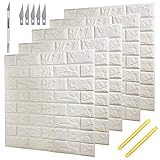
- Large Wall Coverage - 20 Pieces of 3D brick wallpaper stickers are...
- Easy to Re-size and Install on wall - You can easily cut the 3D wall...
- Real Brick Effect and Texture - After you finish your installation,...
Rhino Acoustic Absorption Panel
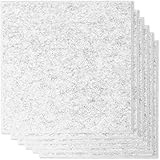
- HIGH DENSITY - 230kg/m3, the densest sound panels. Better than...
- NRC 0.95 - LAB TESTED Noise Reduction Coefficient; commercial grade...
- ECO-FRIENDLY - Made with 100% Polyester Fiber, it is both safe to...
Reflectix Bubble Pack Insulation

- This product adds a great value
- Product is highly durable and easy to use
- This product is manufactured in China
Methods to Soundproof Inside Noise
Many people might feel that their rooms echo. If such a thing happens, the first idea is to fill up the room with several furniture and objects that can absorb sound. In general, sound waves do not bounce back from the furniture and are generally absorbed easily. Thick carpets also work well in this regard as they can absorb more sound waves easily.
You can consider utilizing a room divider for setting up temporary and thin walls. This blocks the right level of sound and is quite simple to install and use. For this purpose, thick materials work best in soundproofing a room. You can hang a decorative blanket or a rug so that the sound does not get bounced quickly. This will lead to less noise inside the house. The different parts of the house that can be soundproofed to reduce noise and echoes inside the house are as follows:
Doors: When it comes to the methods of soundproofing, there is not much difference between doors and windows. The main difference between both of them is that internal noise can come in more than the external noise. Doors are one of the thinnest parts of the wall, and thus noise can quickly go in there. The same material for soundproofing windows can also help in soundproofing doors. You can focus on tightly sealing the doors so that there are fewer areas around the door, and noise can not sneak in. This area should be sealed with a thick material.
Ceilings: It can be challenging to soundproof the ceilings as they are generally out of reach. Additionally, the best products for soundproofing a ceiling require you to open it. This is best done when you are putting a new ceiling or are in the process of renovation. In case you cannot do this, you can make use of foam options that are also effective. Since sound reverberates through the ceilings, it creates echoes that are distracting for many. This is particularly helpful if you have large families living on the floor above you as the sound from their floor would not travel easily to your home.
Floors: It can be hard work to soundproof a floor, especially if they are made up of hardwood. Although hardwood floors look fantastic, however, but if they are not installed properly, it may cause a lot of noise and echo. Carpets are significantly better and much easier to soundproof.
There are several methods of how to soundproof a room from internal noise. Some of these methods are as follows:
1. Make Use of Door Sweep for the Interior Doors
Utilizing door sweeps can be a good way to reducing inside noise and sound waves. Door sweeps are generally stripping of rubber or plastic that can be installed at the bottom of the door. Although this might not seem much, however, they can work in an excellent way for blocking sounds that generally seep in through the bottom of the doors. This method also helps in keeping in the air gaps hot or cold, as per requirement. The door sweeps are easy to install, and one can just adhere to these sweeps to the door. The whole process is quite quick and takes hardly a few minutes. Here are some best soundproof door sweeps we recommend:
Suptikes Door Draft Stopper
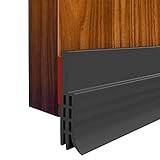
- 【NO MORE GAPS】 - 2" Width x 39" Length, Fits Gaps up to 1 Inch....
- 【SAVE MONEY and ENERGY】- In winter and summer, draft stopper...
- 【MULTIPLE PROTECTION】 - Guard against drafts, odors and noise;...
MAGZO Upgraded Door Weather Seal

- HIGH QUALITY MATERIAL - This practical sliding door weather seal is...
- FUNCTIONAL WEATHER STRIPPING - Three layers design, reduce sound up to...
- EXCELLENT FLEXIBILITY - The door gap blocker is all-in-one forming,...
VITAM AMO Door Sweep

- KEEP DRAFT OUT! - Cut off the draft from the outside door and...
- KEEP AWAY FROM SOUND, LIGHT & DUST - Blocks out dust, light, sound,...
- A QUICK SOLUTION! NO TOOLS OR EXPERIENCE REQUIRED - Super strong...
2. Caulk or Seal the Interior Doors
Soundproofing the doors are not different from soundproofing the windows. One can make use of the number of temporary seal products available in the market for both doors and windows. You can also make use of permanent seals, such as caulking. Caulking is an extremely useful process that requires more work and is much better than a temporary seal. It helps in adding a mass around the perimeter of the doors, which makes it hard for the sound to travel inside the house through this material. These permanent products help in effectively reducing noise, giving you much-needed peace of mind. Following are some products we recommend:
No products found.
No products found.
St. Gobain Noiseproofing Sealant
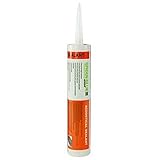
- Seals in minutes and dries completely in 48 hours
- Easy Application
- Can reduce noise transmission by 100 times or more
No products found.
No products found.
3. Use a Soundproofing Material on the Ceilings
Using soundproofing material on the ceilings mostly requires that the ceiling is open so that the material can be installed appropriately. This creates air gaps, which means that the sound has to travel some extra distance. This material is a great way to absorb sound energy, which reduces echo and noise inside the house. This method is particularly useful room soundproofing in multi-story buildings. Here are some recommended products:
soundsulate 1 lb Mass Loaded Vinyl MLV

- Experience the next level of sound control with our advanced formula,...
- Blocks noise from entering or leaving your space with soundproofing...
- One pound per square foot, 4 feet wide by 25 feet long, (100 sf) each...
St. Gobain GGSEALANT-28OZ Green Glue Noiseproofing Sealant
- Seals in minutes and dries completely in 48 hours
- Easy Application
- Can reduce noise transmission by 100 times or more
MuteX Soundproof Material
- BULK ACOUSTIC BARRIER MATERIAL: MUTEX is a flexible roll material for...
- 105 SQ FT BULK ROLL: The 5 ft x 21 ft roll is built for larger...
- EASY TO CUT AND FIT: 1/4 in thick and 0.25 lb per sq ft, MUTEX can be...
4. Put a Soundproofing Foam on the Ceiling
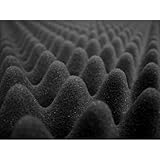
Making use of soundproofing foam is a better way to reduce the interior noise of the room. The foam is designed such that it can absorb sound easily and stops it from echoing around, making it quieter. This is primarily used in recording studio. Another advantage is that the soundproofing foam is quite simple to install, even if it is on ceilings. These foams to soundproof a room are available in several designs, like an egg crate, wedges, and pyramids. All of these are effective when it comes to soundproofing. Following are the best soundproof foams:
Acoustic Panels Studio Foam Wedges

Charcoal Acoustic Studio Eggcrate Foam
Sonic Homework Acoustic Sound Foam kit
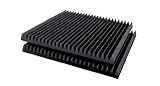
- This kit includes 28 square feet of 2-inch Wedge foam in 24-inch by...
- Sonic Homework 2-inch Wedge-shaped acoustic foam is best for absorbing...
- 2-inch Wedge foam, covering 25-50 percent of the walls in your room,...
5. Put Carpet Liners Under the Carpets
It is a well-known fact that carpets can easily absorb sound. For further assistance and reducing internal noise, you can install carpet liners to soundproof a room. In case you feel that your carpet is not much active at reducing noise, you can include a thick carpet liner with it for improving the soundproofing ability of carpets. For installing carpet liners, one might have to rip up or remove the carpet and install the thick liner under them. In case you have a large rug beneath the carpet, your work becomes more manageable. Following are some recommended carpet liners:
Veken Non-Slip Area Rug Pad Gripper

- Non-slip Protection: Our pad's signature grip keeps rugs securely in...
- Durable & Strong: Crafted from durable materials, our non-slip rug...
- Floor Protection: The open grid design of our rug pads helps prevent...
Gorilla Grip Original Area Rug Gripper Pad
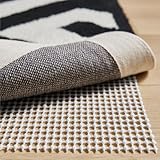
- THE ORIGINAL EXTRA STRONG GRIPPER: our trusted Gorilla Grip...
- REDUCES RUG BUNCHING AND SLIDING: slip resistant pads help reduce rug...
- SUPERIOR FLOOR PROTECTION: open grid design allows floors to breathe...
Epica Super-Grip Non-Slip Area Rug Pad
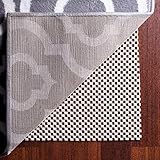
- Meet the ONLY pad on Amazon designed with open-square physics to react...
- SAFETY YOU CAN TRUST: Stop blocking entry into your hardwood-floor...
- QUALITY YOU CAN FEEL: Make sure anyone stepping on your carpets are in...
6. Install Underlayment Under Wooden Floors
In case you have hardwood floors, you must be aware that the underlayment needs to go under the wooden floor itself. The material not only helps in soundproofing a room but also prevents it from echoing across the room. However, one major point to note is that since this material has to be installed under the wooden floor, you would have to rip up or remove the floor before you can place the material. This can not be done in easy ways. Once the floor is ripped up, the installation of this material is a natural process and can be executed in a matter of minutes. Here are some recommended underlayments:
No products found.
No products found.
Vapor Barrier Underlayment

- ROLL SIZE - 200 sq. ft.
- MOISTURE PROTECTION - Protect your floors from harmful subfloor...
- STANDARD SOUND ABSORPTION - Helps quiet sounds from foot traffic....
FatMat Self-Adhesive Sound Deadener Pack
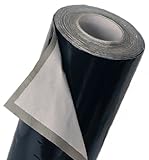
- Set of Two 18 inch wide x 40 inch long Sheets of Black Self-Adhesive...
- Patented Butyl Rubber Compound with Protective Reinforced Aluminum...
- Anti-Vibration Membrane Absorbs and Dissipates Vibrations
Conclusion
Noise is something that confronts every room. Although many may block the background noises by just turning on the TV or closing the window, others might not like to follow this approach. Some even have to deal with a loud and raucous noise that can easily penetrate the thin walls and windows of the homes and destroy the prevailing peace. The best alternative to such a problem is to get your home or a room soundproof and block those noises completely.
Soundproofing your room can help in blocking out the sound transmission from the traffic, airplanes, sirens, horns, and similar other sounds. Sometimes, there can also be noise inside the house, which needs to be reduced. Getting a room soundproofing from professionals might turn out to be an expensive affair. A, the good news is that one can easily soundproof on their own as it is also a relatively easy task on a low budget.
Following some simple steps and the above DIY initiatives, you would be able to soundproof a room while making it beautiful and appealing effortlessly in easy ways. Several professional materials can be bought from the market for blocking noise to help in soundproofing a room. However, one can make use of thick fabrics, furniture, and foam for quickly putting a stop to any unwanted noise. Investing time and money in this is one sure to get and keep peace and quiet in your daily life.